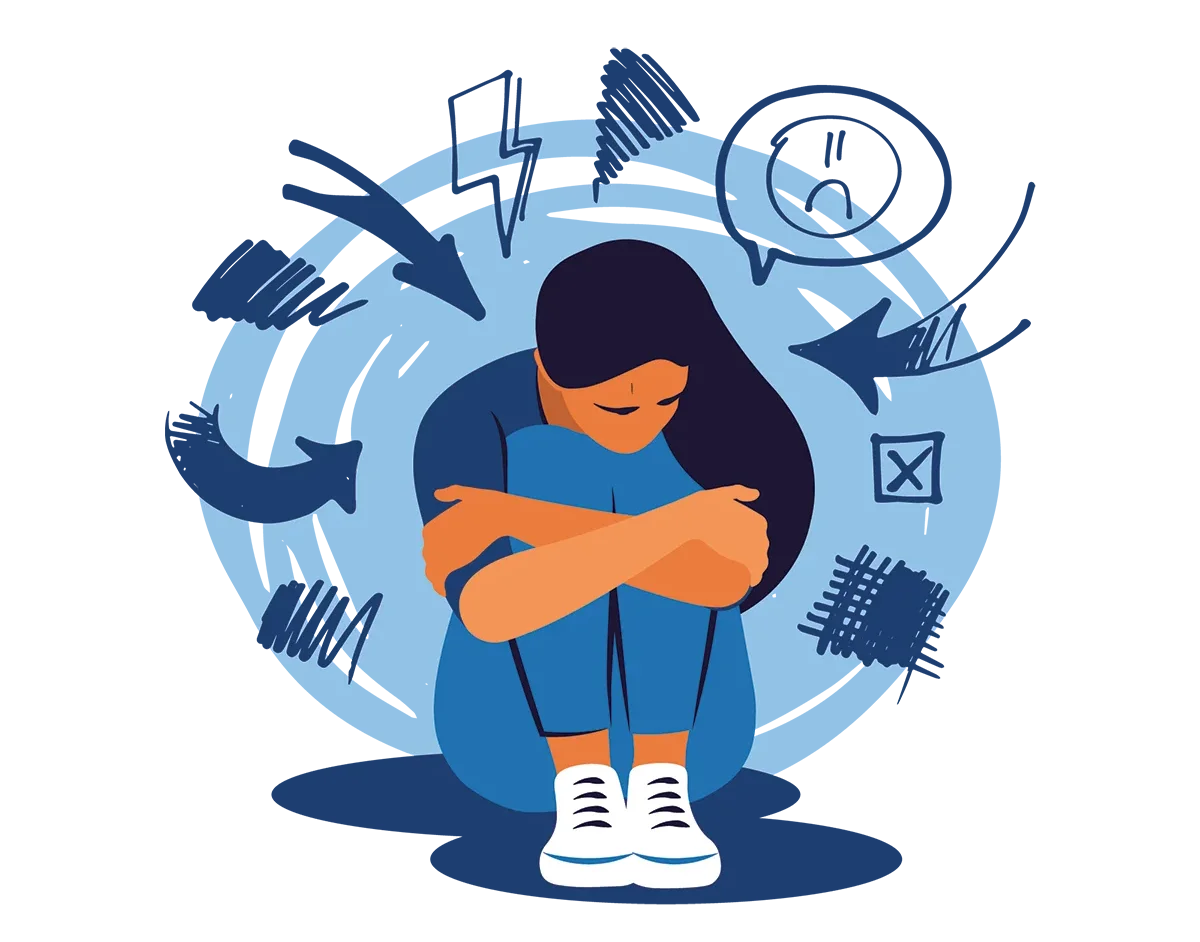
Stress & Burnout
Stress is a natural part of life. In small amounts, it can even be helpful, keeping you alert and motivated. But when stress becomes constant and overwhelming, it can lead to burnout—a state of physical, mental, and emotional exhaustion.

Stress is a natural part of life. In small amounts, it can even be helpful, keeping you alert and motivated. But when stress becomes constant and overwhelming, it can lead to burnout—a state of physical, mental, and emotional exhaustion.
Many people don’t notice the shift right away. What starts as “just a busy period” can slowly turn into chronic fatigue, low motivation, and a sense of disconnection from work or daily life.
What Is Stress and Burnout?
Stress is the body’s response to pressure or demands. It can come from work, relationships, responsibilities, or unexpected challenges.
Burnout, on the other hand, develops when stress is prolonged and not properly managed. It is not just about feeling tired—it’s a deeper state of depletion.
In simple terms:
Stress is being overwhelmed. Burnout is feeling empty.
Why it’s easy to Miss the Signs
One of the reasons burnout is so common is that it builds gradually. Many people push through stress, assuming it will pass, without realizing the impact it is having over time.
At first, it may feel like:
You just need rest
You’re going through a demanding phase
Things will improve once work slows down
But instead of improving, energy continues to drop while pressure remains.
How Stress and Burnout Show Up
The signs are not always dramatic. Often, they appear as subtle but persistent changes.
You might notice:
Constant fatigue, even after rest
Difficulty concentrating or staying motivated
Increased irritability or emotional sensitivity
Feeling detached from work or daily activities
Over time, even simple tasks can start to feel overwhelming.
What Causes Burnout?
Burnout usually comes from ongoing imbalance rather than a single event.
Common contributing factors include:
Prolonged work pressure without recovery
Lack of control or unclear expectations
Emotional demands, especially in people-focused roles
Difficulty setting boundaries
It’s not just about working too much—it’s about not having enough time or space to recover.
What Actually Helps (and what doesn’t)
Recovering from stress and burnout is not about quick fixes. It requires understanding what is draining your energy and making consistent changes.
Some things are genuinely helpful:
Creating clear boundaries between work and rest
Allowing time for recovery without guilt
Adjusting workload or expectations when possible
However, not everything works as expected. Short breaks or occasional days off may help temporarily, but they don’t resolve deeper burnout if the underlying situation remains the same.
What often makes it worse is ignoring the signs or trying to push through exhaustion.
When Should you take it Seriously?
It’s important to recognize when stress has crossed into burnout.
You should pay closer attention if:
Fatigue becomes constant and doesn’t improve with rest
Motivation continues to decline
You feel emotionally drained or disconnected
Daily responsibilities start to feel unmanageable
At this stage, waiting for things to “fix themselves” is unlikely to help.
A Simple way to Understand Burnout
A useful way to think about burnout is this:
It happens when effort is constantly higher than recovery.
If you keep giving energy without restoring it, the system eventually slows down—not because you’re weak, but because it needs to.
Final Thoughts
Stress and burnout are increasingly common, but they are not something you have to accept as normal. Recognizing the early signs can make a significant difference in how quickly you recover.
The goal is not to eliminate stress completely—that’s not realistic. The goal is to create balance, where periods of effort are matched with proper recovery.
If you feel constantly drained or disconnected, it may be time to step back and reassess what your body and mind are trying to tell you.
Medical Disclaimer
This content is for informational purposes only and does not replace professional advice. If stress or burnout significantly affects your wellbeing, consider speaking with a qualified professional.