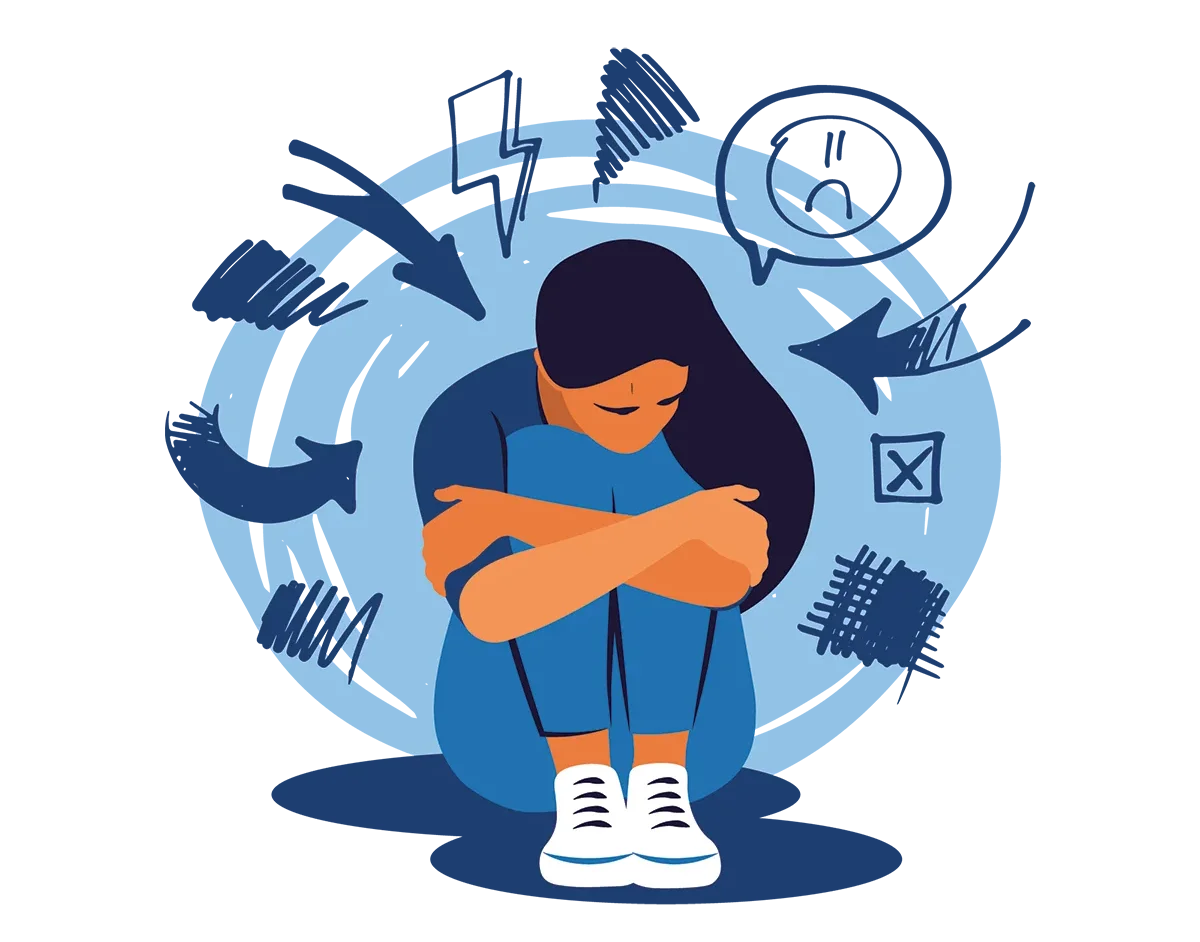
Mood Disorders
Mood disorders are conditions that affect how a person feels over time. While everyone experiences emotional ups and downs, mood disorders involve more persistent or intense changes that can impact daily life, relationships, and overall wellbeing.

Mood disorders are conditions that affect how a person feels over time. While everyone experiences emotional ups and downs, mood disorders involve more persistent or intense changes that can impact daily life, relationships, and overall wellbeing.
These changes are not simply “good days and bad days.” They often follow patterns that feel difficult to control or explain.
What are Mood Disorders?
Mood disorders are mental health conditions that primarily affect emotional state—how you feel, process emotions, and respond to everyday situations.
They can involve prolonged periods of low mood, elevated mood, or shifts between the two.
In simple terms:
They affect the stability and intensity of your emotions over time.
Why Mood Changes Matter
Emotions are a natural part of life, but when they become extreme, persistent, or unpredictable, they can begin to interfere with how you function.
Mood disorders can affect:
Energy and motivation
Thinking and decision-making
Relationships and communication
Because these changes often develop gradually, they may not be immediately recognized.
Common Types of Mood Disorders
Mood disorders can present in different ways, depending on how emotions are affected.
Depression involves persistent low mood, reduced energy, and loss of interest in daily activities.
Bipolar disorder includes shifts between low mood (depression) and elevated mood (mania or hypomania), which may involve increased energy, reduced need for sleep, or impulsive behavior.
Some people may experience mood patterns that do not fit neatly into one category but still significantly affect daily life.
How Mood Disorders show up
Mood disorders are not always obvious. Sometimes they appear as ongoing changes rather than sudden symptoms.
You might notice:
Feeling low, empty, or emotionally flat for extended periods
Sudden shifts in mood or energy
Difficulty maintaining motivation or focus
Changes in sleep, appetite, or daily routine
These patterns often become clearer over time rather than all at once.
What Causes Mood Disorders?
Mood disorders usually develop from a combination of factors rather than a single cause.
These may include:
Genetic predisposition
Brain chemistry and regulation
Stressful or life-changing events
Long-term emotional strain
Often, it is the interaction of these factors that leads to noticeable changes in mood.
What Actually helps (and what doesn’t)
Managing mood disorders involves more than trying to “feel better.” It requires understanding patterns and creating stability over time.
Some approaches are consistently helpful:
Structured therapy and psychological support
Medication when appropriate
Establishing routines, especially around sleep and daily activities
What tends to have limits is relying only on willpower or waiting for mood to improve on its own.
What often makes things more difficult is ignoring patterns or delaying support when symptoms persist.
When Should you seek help?
It’s important to pay attention when mood changes start affecting your life.
You should consider professional support if:
Low or unstable mood lasts for weeks or longer
Emotional changes affect your work or relationships
You notice cycles of high and low energy
Daily functioning becomes more difficult
Early support can help prevent symptoms from becoming more severe.
A Simple way to Understand Mood Disorders
A helpful way to think about mood disorders is this:
It’s not just how you feel—it’s how consistently and intensely those feelings affect your life.
Understanding patterns is often the first step toward managing them.
Final Thoughts
Mood disorders are common and treatable, but they are often misunderstood or overlooked. Recognizing the signs and seeking support can make a meaningful difference in how you feel and function over time.
If your emotions feel difficult to manage or don’t seem to return to balance, it may be worth exploring what’s behind them.
Medical Disclaimer
This content is for informational purposes only and does not replace professional medical advice. If you experience persistent or severe symptoms, consult a qualified healthcare provider.