Online Therapy
Online therapy has become an increasingly common way to access mental health support. It allows people to connect with a qualified therapist remotely, using video calls, phone sessions, or messaging platforms.
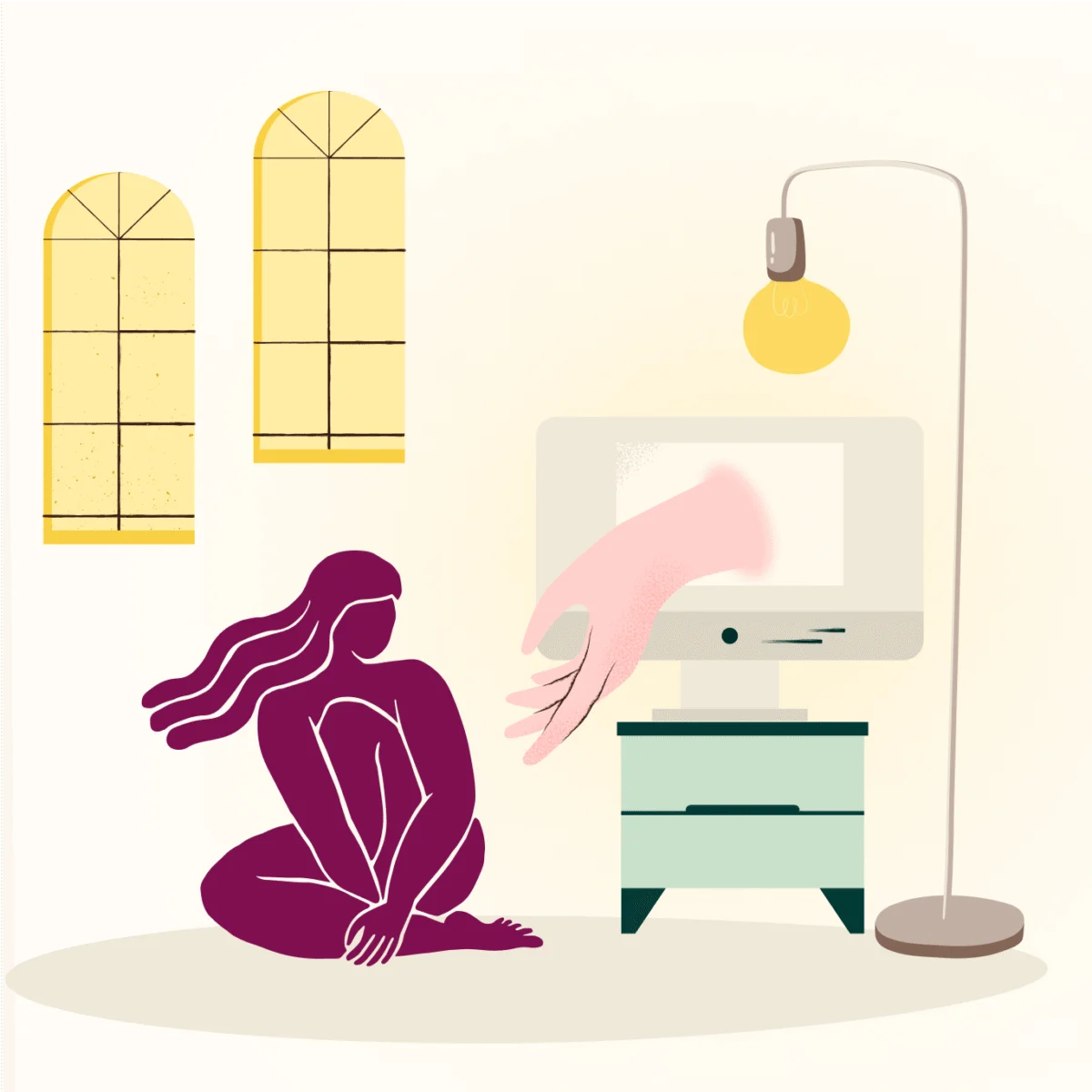
Online therapy has become an increasingly common way to access mental health support. It allows people to connect with a qualified therapist remotely, using video calls, phone sessions, or messaging platforms.
For many, it offers a more flexible and accessible way to begin therapy—especially when time, location, or comfort are barriers to in-person care.
What Is Online Therapy?
Online therapy is a form of psychotherapy delivered through digital platforms instead of face-to-face sessions.
It follows the same principles as traditional therapy, with the main difference being how the sessions take place.
In simple terms:
It’s therapy, just delivered remotely.
Why People Choose Online Therapy
Starting therapy can feel like a big step. Online therapy often lowers that barrier by making the process more convenient and approachable.
People often choose it because:
It saves travel time
It offers more flexible scheduling
It can feel more comfortable to speak from home
For some, this ease of access makes it more likely they will actually begin—and continue—therapy.
How Online Therapy Works
Online therapy sessions are typically structured in the same way as in-person sessions.
You meet with a therapist at a scheduled time, usually through video or phone. The conversation focuses on your thoughts, emotions, and experiences, just as it would in a physical setting.
Over time, the process helps you understand patterns, develop coping strategies, and work through challenges.
The setting may be different, but the therapeutic work remains the same.
What It Can Help With
Online therapy can support a wide range of mental health concerns.
It is commonly used for:
Anxiety and stress
Low mood or depression
Relationship difficulties
Life transitions or personal challenges
For many people, it provides enough structure and support to make meaningful progress.
What It Feels Like
If you’ve never tried therapy before, online sessions can feel more familiar and less intimidating.
You are in your own space, which can make it easier to open up. At the same time, it still requires focus, privacy, and a stable environment.
The experience depends less on the format and more on the connection with the therapist.
What Actually Helps You Get Results
Online therapy works best when it is approached with the same level of commitment as in-person therapy.
Progress often depends on:
Attending sessions consistently
Being open and engaged in the process
Applying what you learn in daily life
What tends to have limits is treating sessions casually or expecting quick results without ongoing effort.
When Is Online Therapy a Good Option?
Online therapy can be a strong option if you are looking for accessible and flexible support.
It may be especially helpful if:
You have a busy or unpredictable schedule
You live in an area with limited access to services
You feel more comfortable speaking from home
However, in some complex or high-risk situations, in-person care may still be more appropriate.
A Simple Way to Understand It
A helpful way to think about online therapy is this:
The format changes—but the support stays the same.
What matters most is the quality of the therapeutic relationship, not the location.
Final Thoughts
Online therapy has made mental health support more accessible than ever. For many people, it removes practical barriers and makes it easier to take the first step.
It is not a lesser alternative—it is simply a different way of accessing the same kind of support.
If you’ve been considering therapy but haven’t started yet, online therapy can be a practical and effective place to begin.
Medical Disclaimer
This content is for informational purposes only and does not replace professional medical advice. If you are experiencing significant distress or risk, seek immediate support from a qualified healthcare provider.