OCD & Intrusive Thoughts
Obsessive-Compulsive Disorder (OCD) is not just about being “clean” or “organized.” It is a mental health condition that involves unwanted thoughts (obsessions) and repetitive behaviors or mental acts (compulsions).
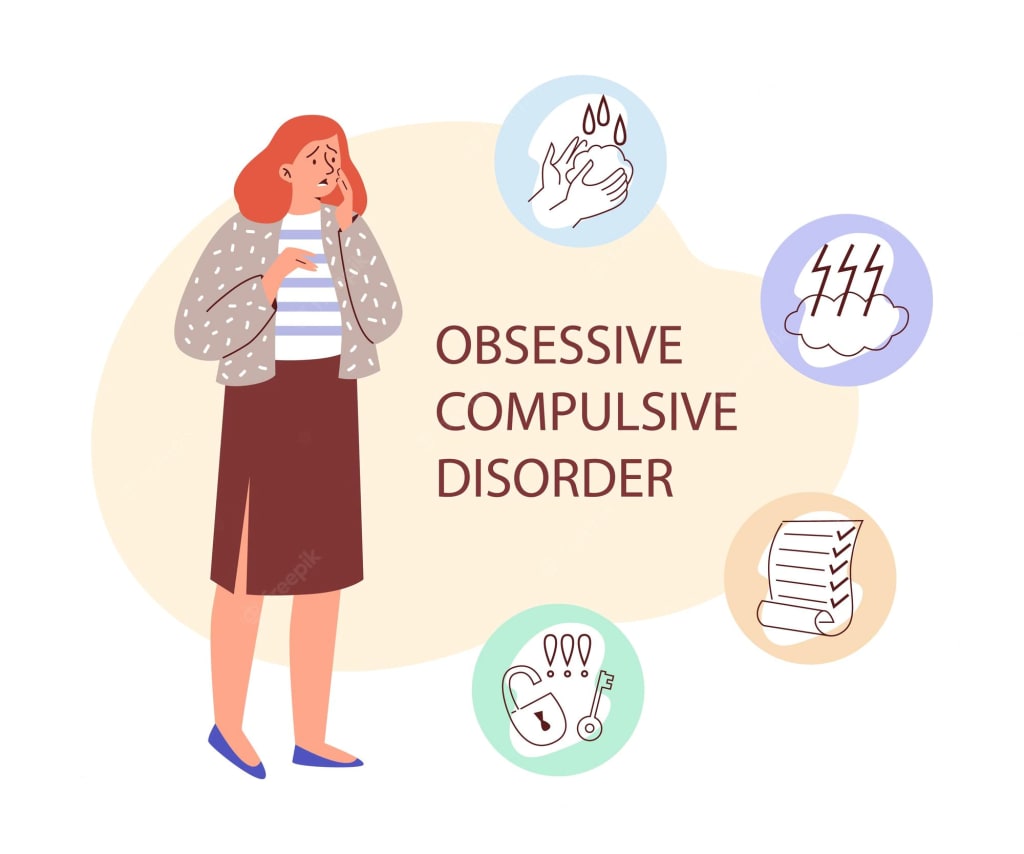
Obsessive-Compulsive Disorder (OCD) is not just about being “clean” or “organized.” It is a mental health condition that involves unwanted thoughts (obsessions) and repetitive behaviors or mental acts (compulsions).
One of the most distressing parts of OCD is intrusive thoughts—thoughts that feel sudden, disturbing, and out of character. Many people experience them, but in OCD, they tend to stick, repeat, and cause significant anxiety.
What is OCD?
OCD is a condition where a person experiences recurring, unwanted thoughts and feels driven to perform certain actions to reduce the anxiety those thoughts create.
In simple terms:
The problem is not the thought—it’s how the brain reacts to it.
What are Intrusive Thoughts?
Intrusive thoughts are unwanted thoughts, images, or impulses that appear suddenly and feel difficult to control.
They can involve themes like:
Fear of harming others
Doubts (“What if I did something wrong?”)
Contamination or safety concerns
Thoughts that feel inappropriate or out of character
Most people experience intrusive thoughts occasionally. The difference with OCD is that these thoughts feel more intense, more frequent, and harder to let go.
Why Intrusive Thoughts feel so Real
One of the most confusing aspects of OCD is how real and threatening these thoughts can feel.
This happens because:
The brain treats the thought as important or dangerous
Attention becomes locked onto the thought
Attempts to suppress it make it return more strongly
The result is a cycle where the thought gains more power the more you try to control it.
The OCD Cycle (What Keeps it Going)
OCD tends to follow a repeating pattern:
An intrusive thought appears
Anxiety or discomfort increases
A compulsion is performed (physical or mental)
Temporary relief is felt
The cycle repeats
Compulsions don’t always look obvious. They can include checking, reassurance-seeking, or even mental reviewing.
What Causes OCD?
OCD does not come from a single cause. It is linked to how certain brain circuits process fear, uncertainty, and control.
Common contributing factors include:
Genetic predisposition
Brain chemistry and function
Stressful life events
Personality traits like high responsibility or perfectionism
Importantly, OCD is not caused by weakness or lack of willpower.
What Actually Helps (And What Doesn’t)
Managing OCD requires understanding how the cycle works—not just trying to eliminate thoughts.
What Helps
Cognitive Behavioral Therapy (especially Exposure and Response Prevention – ERP)
Learning to tolerate uncertainty
Reducing compulsive behaviors gradually
What has Limits
Reassurance (it may help briefly but reinforces the cycle)
Trying to “figure out” the thought
What often makes it Worse
Suppressing or fighting thoughts
Avoiding triggers completely
Seeking constant certainty
When Should you Seek Help?
It’s important to take OCD seriously when it begins to affect your daily life.
Consider professional support if:
Intrusive thoughts feel overwhelming or persistent
You spend significant time on compulsions or mental rituals
Anxiety interferes with work, relationships, or daily routines
Early support can significantly improve outcomes.
A Simple way to Understand Intrusive Thoughts
A helpful perspective is this:
Thoughts are automatic. Meaning is optional.
Having a disturbing thought does not mean it reflects who you are or what you want. In OCD, the brain overreacts to normal mental noise.
Final Thoughts
OCD and intrusive thoughts can feel isolating, especially because the thoughts themselves can be difficult to talk about. But they are more common than they seem—and treatable.
The goal is not to eliminate thoughts, but to change your relationship with them. With the right approach, it is possible to reduce their impact and regain a sense of control.
Medical Disclaimer
This content is for informational purposes only and does not replace professional medical advice. If you experience persistent or distressing symptoms, consult a qualified healthcare provider.