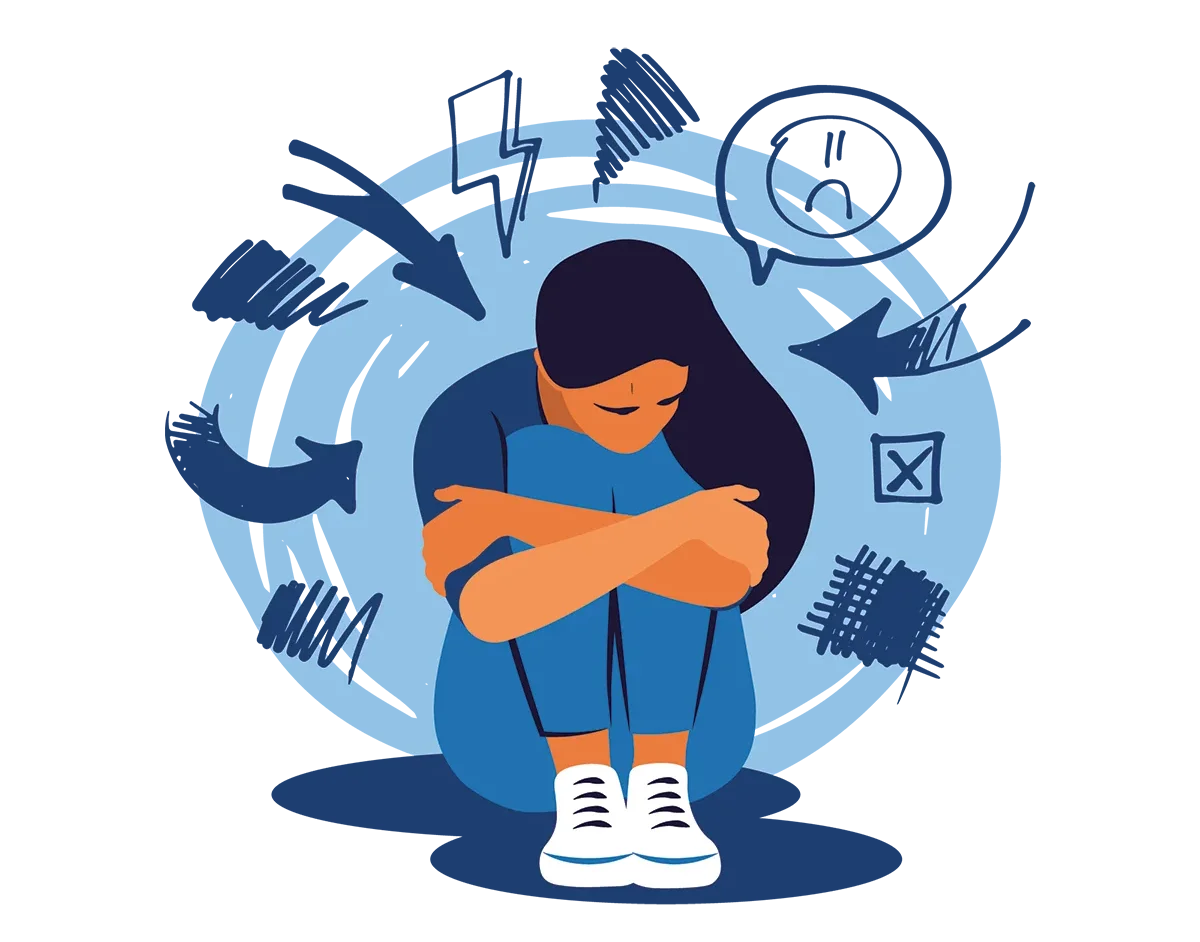
Schizophrenia & Psychosis
Schizophrenia and psychosis are often misunderstood conditions, surrounded by stigma and confusion. In reality, they are complex mental health experiences that affect how a person thinks, perceives reality, and relates to the world around them.
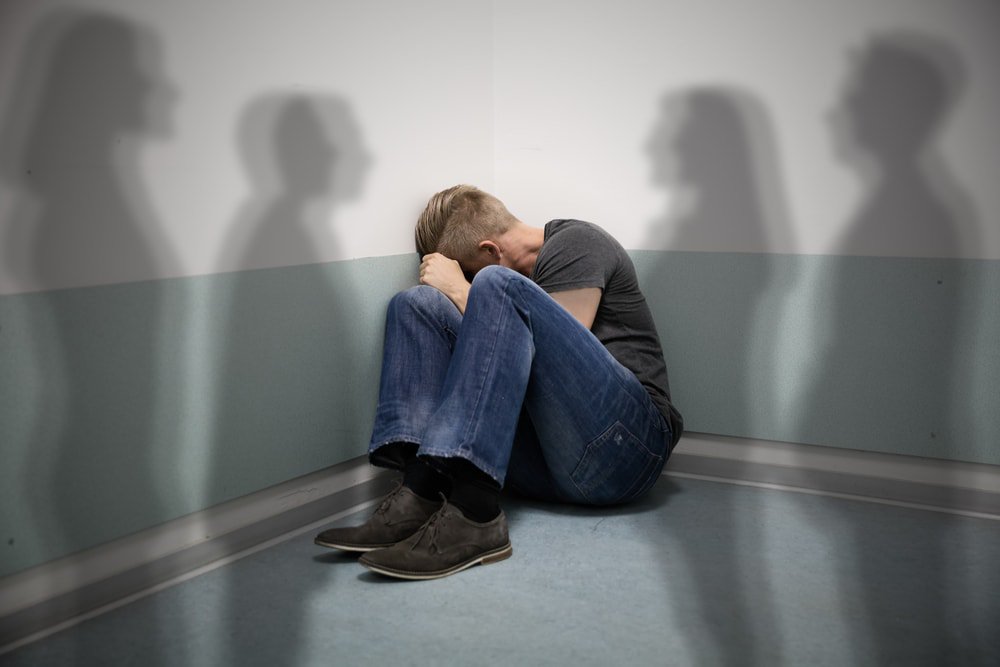
Schizophrenia and psychosis are often misunderstood conditions, surrounded by stigma and confusion. In reality, they are complex mental health experiences that affect how a person thinks, perceives reality, and relates to the world around them.
While the terms are sometimes used interchangeably, they are not the same. Psychosis refers to a set of symptoms, while schizophrenia is a specific condition where those symptoms may occur.
What is Psychosis?
Psychosis is a state in which a person loses contact with reality. This can involve seeing, hearing, or believing things that are not experienced by others.
In simple terms:
The brain has difficulty distinguishing what is real from what is not.
Psychosis can appear as part of different conditions, including schizophrenia, severe depression, bipolar disorder, or even as a temporary response to stress or substance use.
What is Schizophrenia?
Schizophrenia is a long-term mental health condition that can include episodes of psychosis, along with changes in thinking, behavior, and emotional expression.
It is not about having “multiple personalities,” as is often mistakenly believed. Instead, it affects how a person processes information and experiences reality.
Common Symptoms
Symptoms can vary, but they are generally grouped into different types.
Psychotic symptoms may include hallucinations (such as hearing voices) and delusions (strong beliefs that are not based in reality).
Cognitive symptoms involve difficulties with focus, memory, or organizing thoughts.
Emotional or behavioral changes may include withdrawal, reduced motivation, or difficulty expressing emotions.
Not everyone experiences all symptoms, and they can change over time.
Why these Conditions are often Misunderstood
Schizophrenia and psychosis are frequently misrepresented, which can lead to fear or stigma.
In reality, people experiencing these conditions are more likely to feel confused, overwhelmed, or distressed rather than dangerous. Many are aware that something is not right but struggle to make sense of their experiences.
Understanding this can help create a more supportive and less judgmental perspective.
What Causes Psychosis and Schizophrenia?
There is no single cause. These conditions are linked to how the brain processes information and responds to internal and external stimuli.
Contributing factors may include:
Genetic vulnerability
Brain chemistry and structure
Stressful or traumatic experiences
Substance use in some cases
Usually, it is a combination of factors rather than one clear trigger.
What Actually Helps (and what doesn’t)
Support and treatment can make a significant difference, especially when started early.
Some approaches are consistently helpful:
Professional mental health care and assessment
Medication when appropriate
Psychological support and structured therapy
Stable routines and supportive environments
What tends to have limits is trying to manage symptoms alone without guidance.
Ignoring symptoms or delaying care can make recovery more difficult.
When Should you Seek Help?
It is important to take early signs seriously.
You should consider professional help if:
Someone experiences hallucinations or unusual beliefs
There is confusion, disorganized thinking, or withdrawal
Behavior changes significantly without clear reason
Daily functioning becomes difficult
Early support is one of the most important factors in improving outcomes.
A Simple way to Understand Psychosis
A helpful way to think about psychosis is this:
It’s not that the person is choosing to believe something—it’s that their perception feels real to them.
This is why reassurance alone is often not enough. Understanding and proper support are essential.
Final Thoughts
Schizophrenia and psychosis can be challenging, both for the person experiencing them and for those around them. However, they are manageable conditions, and many people improve with the right support.
Reducing stigma starts with understanding. These experiences are not a personal failure—they are part of how the brain can sometimes function under certain conditions.
If something feels off or concerning, seeking help early can make a meaningful difference.
Medical Disclaimer
This content is for informational purposes only and does not replace professional medical advice. If you or someone else is experiencing symptoms of psychosis, consult a qualified healthcare provider as soon as possible.