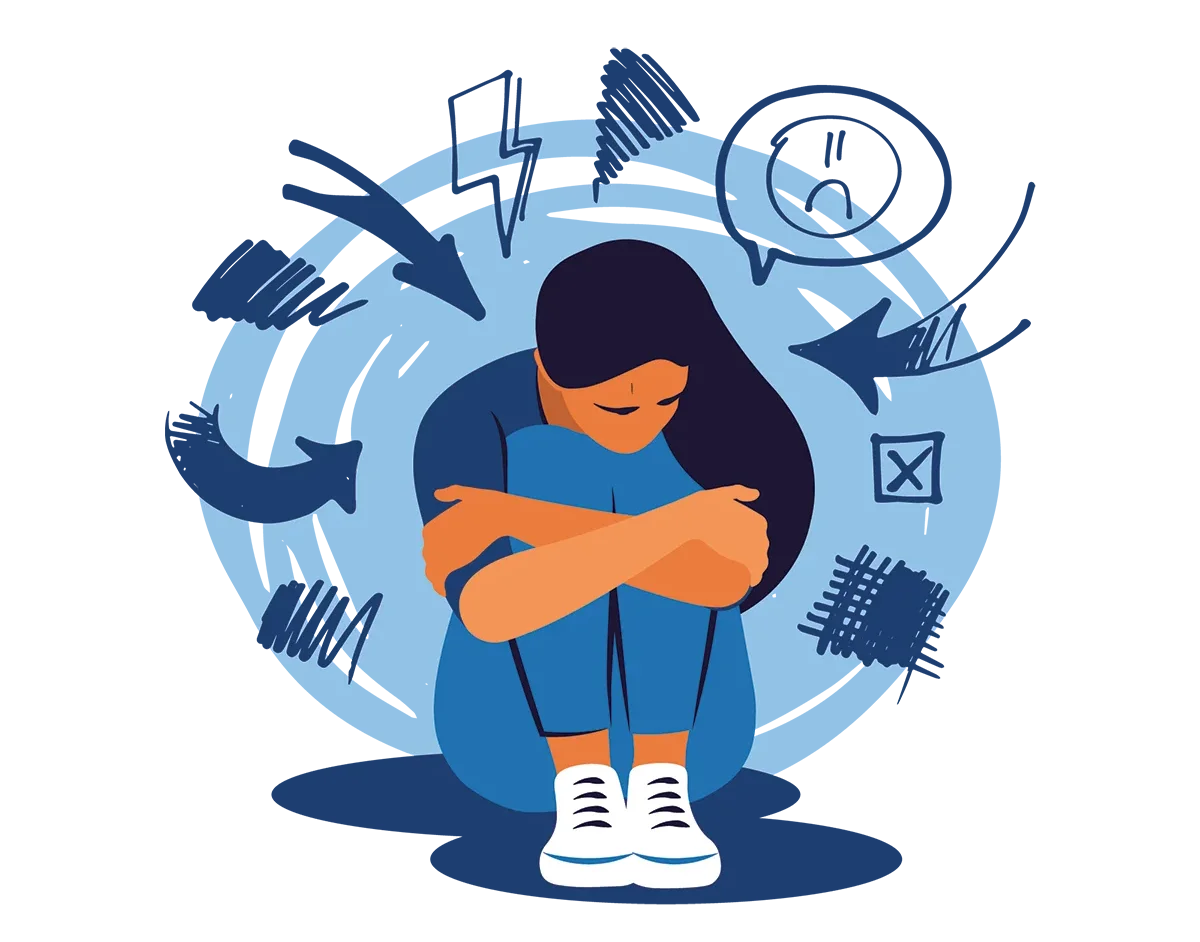
Anxiety & Panic
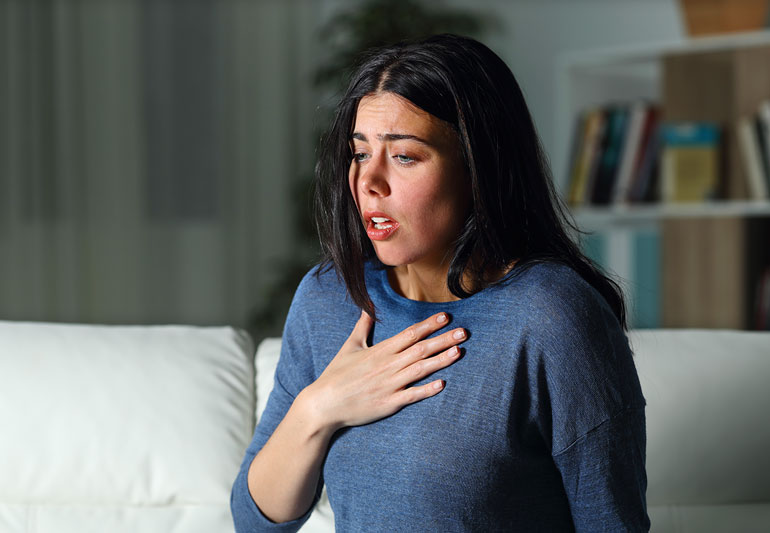
Anxiety is a natural response to stress or uncertainty. It helps us stay alert and prepared. But when anxiety becomes constant, overwhelming, or unpredictable, it can begin to interfere with daily life.
Panic is a more intense form of anxiety. It can appear suddenly, often without a clear trigger, and feel both physically and emotionally alarming.
If you’ve ever felt your heart racing, your thoughts spiraling, or a sudden wave of fear that doesn’t seem to make sense, you’re not alone—and there are ways to understand it.
What is Anxiety?
Anxiety is the body’s response to perceived threat or pressure. It prepares you to react, even if the situation isn’t actually dangerous.
In simple terms:
It’s your system trying to protect you—but sometimes overreacting.
Occasional anxiety is normal. It becomes a concern when it is frequent, intense, or difficult to control.
What is a Panic Attack?
A panic attack is a sudden surge of intense fear or discomfort that peaks within minutes.
It often includes strong physical symptoms, such as a racing heart, shortness of breath, dizziness, or a sense of losing control.
What makes panic confusing is that it can happen unexpectedly, even in situations that feel safe.
Why Anxiety and Panic feel so Physical
One of the most distressing aspects of anxiety is how real it feels in the body.
This happens because the nervous system activates a “fight-or-flight” response. Even when there is no real danger, the body reacts as if there is.
That’s why anxiety is not “just in your head.” It’s a full-body response involving both mind and physiology.
How Anxiety Shows Up in Daily Life
Anxiety does not always look the same for everyone. Sometimes it is obvious, and other times it is more subtle.
You might notice:
Constant worrying or overthinking
Difficulty relaxing or “switching off”
Avoiding certain situations
Feeling on edge without a clear reason
Panic attacks, when they occur, can feel sudden and overwhelming, often leading people to fear they are losing control or having a medical emergency.
What Causes Anxiety and Panic?
Anxiety usually develops from a combination of factors rather than a single cause.
These may include:
Ongoing stress or pressure
Personality traits, such as high sensitivity
Past experiences or learned responses
Changes in life circumstances
Sometimes, the trigger is clear. Other times, anxiety builds gradually without a single identifiable reason.
What Actually Helps (And What Doesn’t)
Managing anxiety is not about eliminating it completely, but learning how to respond to it differently.
Some approaches are consistently helpful:
Understanding how anxiety works
Gradually facing, rather than avoiding, triggers
Developing calming and grounding techniques
Structured therapy, such as cognitive behavioral approaches
What tends to have limits is trying to control every thought or avoid all discomfort.
What often makes anxiety worse is constant reassurance-seeking or avoiding situations entirely, which can reinforce the cycle.
When Should You Seek Help?
It’s important to take anxiety seriously when it begins to affect your quality of life.
You should consider professional support if:
Anxiety feels constant or overwhelming
Panic attacks occur repeatedly
You begin avoiding situations due to fear
Daily functioning becomes more difficult
Early support can help prevent anxiety from becoming more restrictive over time.
A Simple Way to Understand Anxiety
A helpful way to think about anxiety is this:
It’s not danger—it’s a false alarm that feels real.
The goal is not to silence the alarm completely, but to learn when it doesn’t need to control your actions.
Final Thoughts
Anxiety and panic can feel intense, confusing, and sometimes frightening. But they are also understandable responses that can be managed with the right approach.
Learning how your system works—and how to respond to it—can gradually reduce the intensity and impact of these experiences.
If anxiety is starting to limit your life, it may be time to explore support and take steps toward regaining a sense of control.
Medical Disclaimer
This content is for informational purposes only and does not replace professional medical advice. If you experience persistent or severe symptoms, consult a qualified healthcare provider.