Medical Acupuncture
Medical acupuncture is a modern, clinically grounded form of acupuncture used to manage pain, improve physical function, and support the body’s natural healing processes. While it originates from traditional practices, today it is often applied through a medical lens—based on anatomy, physiology, and evidence-informed care.
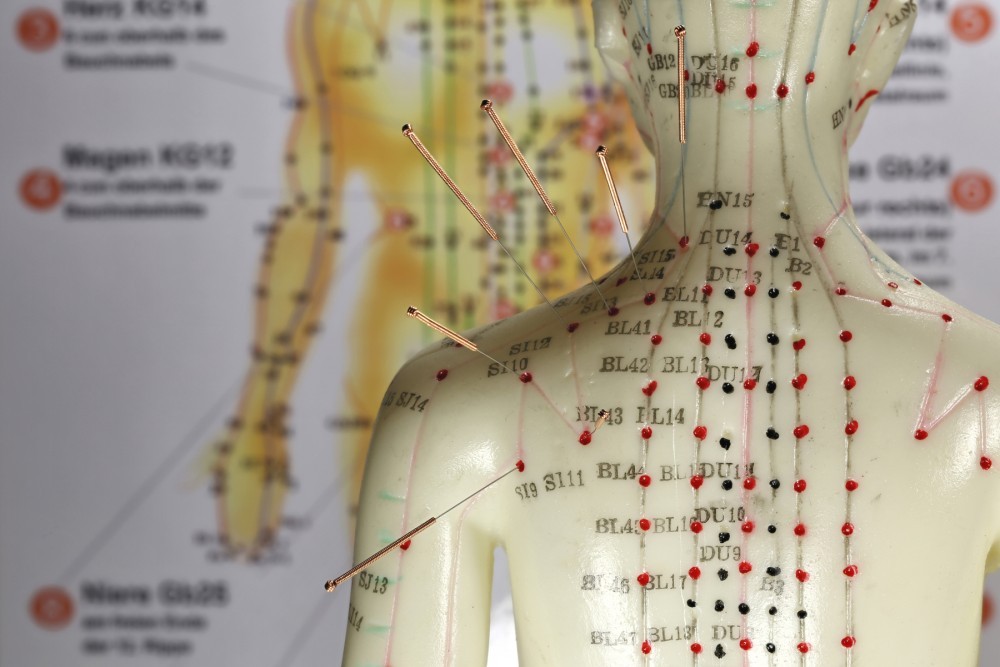
Medical acupuncture is a modern, clinically grounded form of acupuncture used to manage pain, improve physical function, and support the body’s natural healing processes. While it originates from traditional practices, today it is often applied through a medical lens—based on anatomy, physiology, and evidence-informed care.
For many people, it becomes an option when pain persists, recovery feels slow, or conventional treatments alone are not enough.
What is Medical Acupuncture?
Medical acupuncture is a treatment that involves inserting very fine needles into specific areas of the body to stimulate nerves and tissues.
Rather than focusing on traditional energy pathways, it works by influencing how the nervous system processes pain and how the body responds to injury.
In simple terms, it helps the body regulate itself more effectively.
Why People turn to Medical Acupuncture
Pain and physical discomfort are not always straightforward. Sometimes they linger beyond the expected healing time, or they return without a clear cause.
In these cases, people often look for approaches that go beyond medication. Medical acupuncture is commonly considered when someone wants to:
Reduce ongoing pain
Improve mobility
Support recovery without relying only on medication
It is not usually a first-line solution, but rather part of a broader care strategy.
How Medical Acupuncture Works
When needles are placed in targeted areas, they stimulate sensory nerves under the skin. This sends signals to the brain and spinal cord, which can influence how pain is perceived.
At the same time, the body may release natural chemicals, such as endorphins, that help reduce discomfort and promote relaxation.
The overall effect is not just local. It often involves a wider response in the nervous system, which is why some people notice improvements beyond the exact area being treated.
What Conditions it may Help with
Medical acupuncture is most often used for physical conditions, especially those involving pain or muscle tension.
It is commonly applied in cases like:
Back and neck pain
Joint discomfort
Anxiety
Irritable bowel syndrome
Psychosomatic symptoms
Headaches or migraines
The results can vary from person to person, depending on the underlying cause and how the body responds to treatment.
What a Session Feels Like
One of the most common concerns is whether acupuncture is painful. In reality, most people experience only mild sensations.
You might feel a light tingling, warmth, or a dull ache when the needle is inserted. Many people also report a sense of relaxation during the session.
Treatments usually last between 20 and 40 minutes, and the experience is often described as calm rather than uncomfortable.
Is Medical Acupuncture Safe?
When performed by a trained healthcare professional, medical acupuncture is generally considered safe.
Side effects, if they occur, are usually mild and temporary. These may include slight soreness or minor bruising at the needle site.
As with any treatment, proper assessment and professional guidance are important to ensure it is appropriate for your condition.
What Actually makes it Effective
Medical acupuncture tends to work best when it is used as part of a broader plan rather than as a standalone solution.
Consistency matters more than one-off sessions, and results are often gradual rather than immediate. It is also more effective when combined with other approaches, such as physical therapy, movement, or lifestyle adjustments.
What often limits results is expecting a quick fix without addressing the underlying issue.
When should you Consider it?
Medical acupuncture may be worth exploring if pain or discomfort has been ongoing and is not improving with basic measures.
It can also be a useful option if you are looking for a non-pharmacological approach or want to complement other treatments.
However, it should not replace proper diagnosis or necessary medical care, especially for more serious conditions.
A Simple way to Understand it
Think of medical acupuncture as a way of helping the body “reset” how it responds to pain and tension.
It doesn’t force change—it encourages the body to function more efficiently using its own systems.
Final Thoughts
Medical acupuncture sits between traditional practice and modern medicine. For some people, it offers meaningful relief and supports recovery in a way that feels natural and balanced.
Like any treatment, its value depends on using it appropriately, with realistic expectations and proper guidance.
If pain or physical discomfort is affecting your daily life, exploring different approaches—including acupuncture—can be a step toward finding what works for you.
Medical Disclaimer
This content is for informational purposes only and does not replace professional medical advice. Always consult a qualified healthcare provider before starting any new treatment.