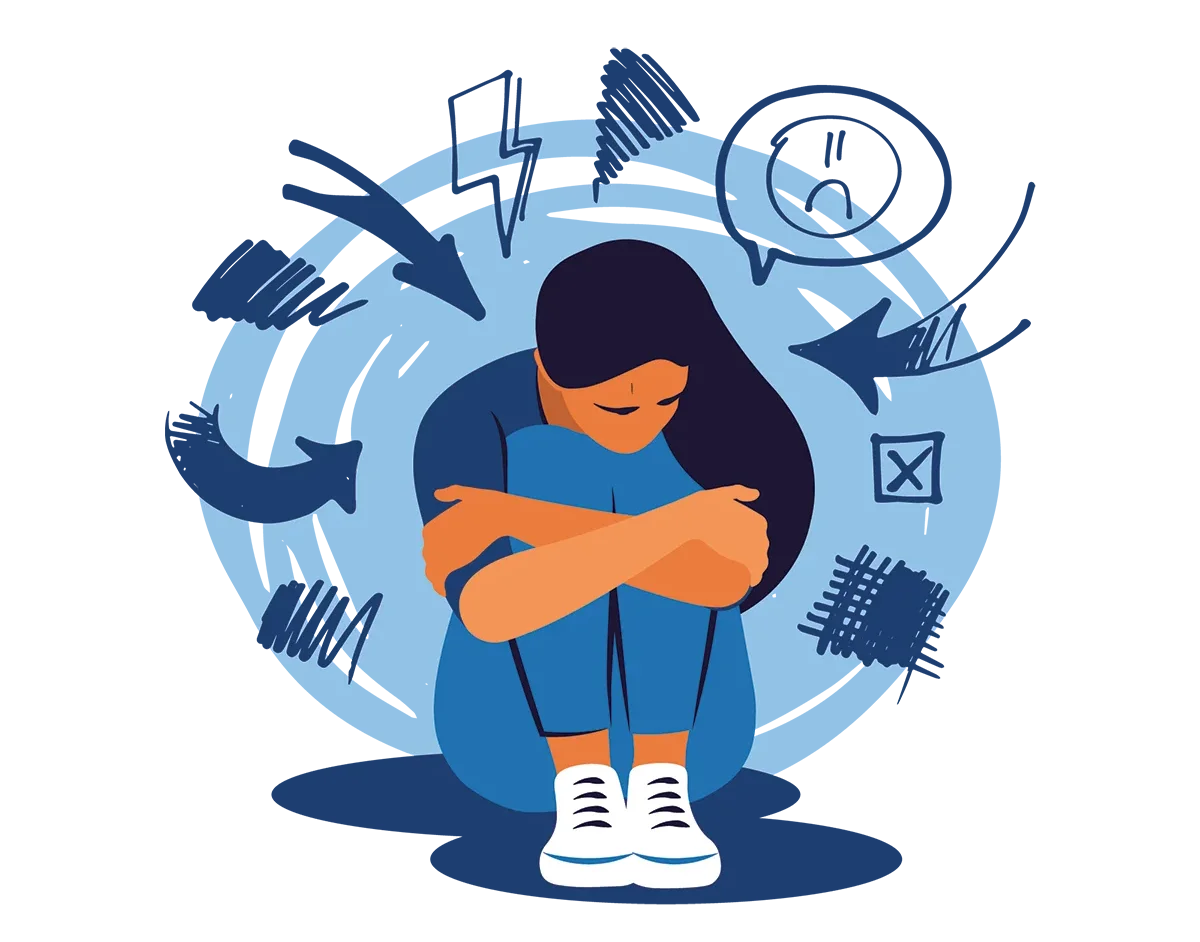
Depression Treatment
Depression is more than feeling low or having a bad day. It is a condition that can affect how you think, feel, and function over time. When it persists, it can make even simple tasks feel heavy and difficult to manage.

Depression is more than feeling low or having a bad day. It is a condition that can affect how you think, feel, and function over time. When it persists, it can make even simple tasks feel heavy and difficult to manage.
The important part is this: depression is treatable. But treatment is not one-size-fits-all—it often involves understanding what works best for you.
What is Depression Treatment?
Depression treatment refers to the different ways of reducing symptoms, improving daily functioning, and supporting long-term mental health.
It may involve therapy, medication, lifestyle changes, or a combination of these.
In simple terms:
It’s about helping you feel and function more like yourself again.
Why Treatment Matters
Depression can sometimes improve on its own, but when symptoms are persistent, treatment plays a key role in recovery.
Without support, depression may:
Last longer than expected
Affect relationships and daily life
Reduce motivation to seek help
Treatment helps interrupt this cycle and creates a structured path toward improvement.
Common Types of Depression Treatment
There are different approaches to treating depression, and they are often used together rather than separately.
Psychotherapy focuses on understanding thoughts, emotions, and patterns that contribute to depression. It helps develop healthier ways of thinking and coping.
Medication may be used to regulate brain chemistry, especially in moderate to severe cases.
Lifestyle support—such as sleep, routine, and physical activity—can also play an important role in recovery.
The right approach depends on the individual, the severity of symptoms, and personal preferences.
How Treatment Works Over Time
Depression treatment is usually gradual. It does not create instant change, but steady improvement over time.
In the early stages, the focus is often on stabilizing symptoms. As treatment continues, it shifts toward understanding patterns and preventing relapse.
Some days may feel better than others. This is a normal part of the process.
What Actually Helps (And What Doesn’t)
Recovery from depression is not about quick fixes, but about consistency and the right kind of support.
Some approaches tend to be helpful:
Engaging consistently in therapy
Following a structured treatment plan
Building small, manageable routines
What tends to have limits is relying on motivation alone or expecting immediate results.
What often makes things harder is withdrawing from support or waiting for symptoms to pass without intervention.
When Should you Seek Treatment?
It’s important to take depression seriously when symptoms persist or begin to affect your daily life.
You should consider seeking help if:
Low mood lasts more than a few weeks
You lose interest in activities you used to enjoy
Energy, sleep, or appetite changes significantly
Daily functioning becomes difficult
Early support can make recovery more manageable.
A Simple way to Understand Treatment
A helpful way to think about depression treatment is this:
It’s not about forcing yourself to feel better—it’s about creating the conditions that allow improvement.
This often involves both internal work and external support.
Final Thoughts
Depression can feel isolating, but it is not something you have to navigate alone. Effective treatments exist, and many people improve with the right combination of support and time.
The first step is not having everything figured out—it’s recognizing that help may be needed and being open to exploring it.
If something feels persistently off, it’s worth taking that seriously and reaching out for support.
Medical Disclaimer
This content is for informational purposes only and does not replace professional medical advice. If you experience persistent or severe symptoms, consult a qualified healthcare provider.